Specialty Eye Care — Screening, Co‑ Management, and Clear Next Steps

Specialty Eye Care — Screening, Co‑ Management, and Clear Next Steps

Advanced screening, local coordination


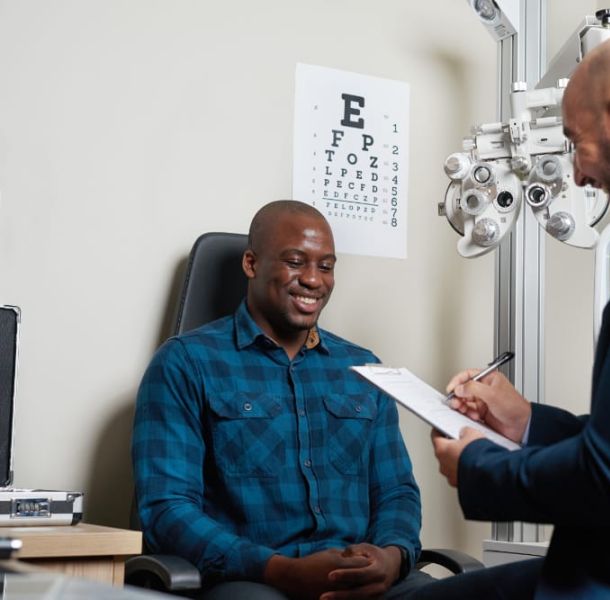
We provide screening and monitoring for diabetic eye changes, glaucoma risk, and other retinal findings. Your visit includes in‑office testing with a live telehealth consult from a licensed optometrist. When specialty treatment is required, we coordinate with your primary care provider or a local ophthalmology specialist and share your results for continuity.
man eye exam

Co‑Management of Disease

We perform the necessary in‑office tests, explain findings in plain language, and outline your options.
If ongoing treatment or procedures are needed, we’ll refer to the right specialist and remain involved to support follow‑up.
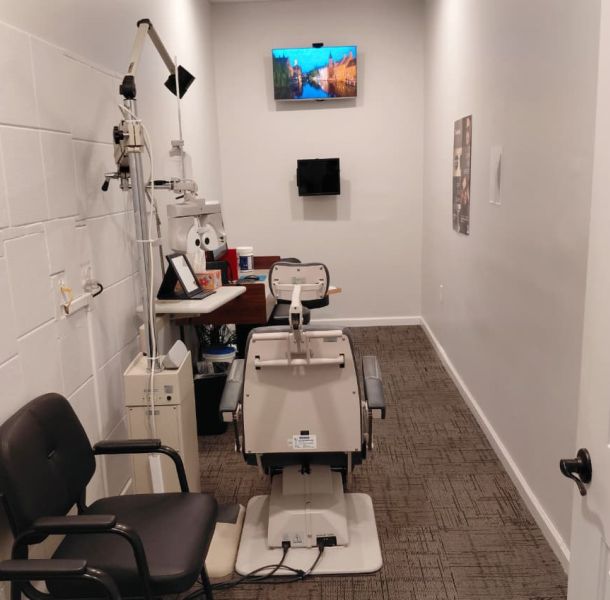
Diabetic Eye Care

Annual screening helps detect diabetic retinopathy early, often before symptoms.
Testing may include retinal photos and/or OCT imaging as indicated.
We’ll send a summary to your primary care clinician upon request and coordinate follow‑up
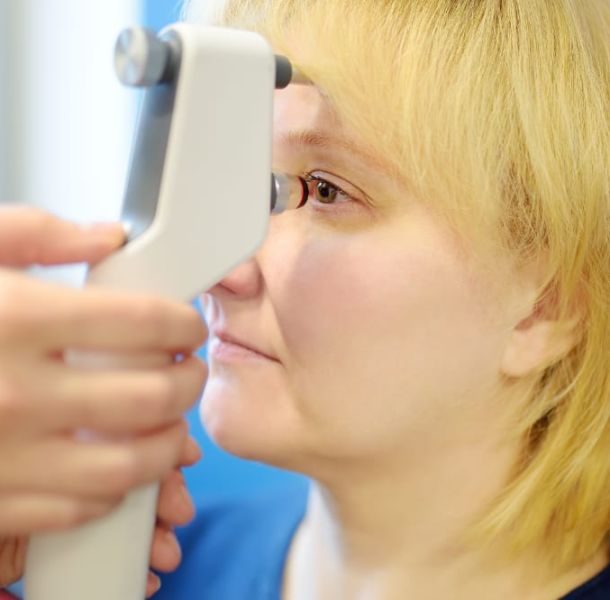
eye pressure test

Eye Diseases

Glaucoma: We check eye pressure and optic nerve health; if risk is identified, we’ll set a monitoring plan or refer as appropriate.
Macular degeneration (AMD): We look for drusen and macular changes and discuss protective habits and referral pathways when warranted.
Epiretinal membrane (ERM): If imaging suggests an ERM, we’ll explain what it means and connect you with a retina specialist when indicated.

What to Bring

Insurance Card(s)

Medication List

Current Eyewear

Any Previous Eye Records

Frequently asked questions about Specialty Eye Care


What is telehealth screening and how does it work?
During your specialty screening visit, we'll perform comprehensive in-office testing using advanced diagnostic equipment like retinal imaging and OCT scans. Then, a licensed optometrist joins via live telehealth consultation and takes full control of our phoropter and equipment remotely—they can adjust lenses, run tests, and conduct the exam just as if they were sitting right here in the room with you. You'll be able to ask questions and discuss findings in real-time. This approach gives you access to specialized expertise while keeping your care local and convenient. We combine the personal touch of our Mount Washington Valley team with the clinical depth of remote specialists, so you get thorough evaluation without traveling hours to see a specialist.
I have diabetes but my vision seems fine. Do I really need diabetic eye screening?
Yes, annual diabetic eye screenings are crucial even when your vision feels normal. Diabetic retinopathy often develops silently with no symptoms in its early stages—by the time you notice vision changes, significant damage may have already occurred. Early detection through retinal imaging allows us to catch problems when they're most treatable and helps prevent vision loss. We'll photograph the back of your eye to look for tiny changes in blood vessels, swelling, or bleeding, and we'll send a summary to your primary care doctor so everyone on your healthcare team stays informed. Think of it as preventive maintenance for your sight.
What happens if you find something concerning during my screening?
First, we'll explain exactly what we found in clear, straightforward language—no confusing medical jargon. We'll show you the images, discuss what it means for your vision and daily life, and outline your options moving forward. If monitoring is appropriate, we'll create a follow-up schedule. If treatment or specialized care is needed, we'll coordinate a referral to a trusted local ophthalmology specialist and make sure all your records are shared seamlessly. You won't be left wondering what to do next—we'll guide you through every step and remain involved in your care even after referral.
How is glaucoma screening different from a regular eye exam?
While every comprehensive eye exam includes basic glaucoma checks like measuring eye pressure, specialty glaucoma screening goes deeper. We assess your optic nerve health in detail, may perform visual field testing to check for peripheral vision loss, and use advanced imaging to measure the thickness of nerve fibers. If we identify risk factors—like elevated pressure, suspicious optic nerve appearance, or family history—we'll create a personalized monitoring plan. Some patients need checks every few months, while others may only need annual monitoring. Glaucoma develops slowly and silently, so consistent tracking is key to preserving your vision.
Do you treat eye diseases or just screen for them?
We handle both screening and co-management. For many conditions, we can monitor stable disease and coordinate your ongoing care right here. If you need specialized treatment—like injections for macular degeneration, laser procedures for diabetic retinopathy, or surgery for glaucoma—we'll refer you to the appropriate ophthalmologist but stay actively involved. We'll continue seeing you for follow-up visits, monitor how treatment is working, and communicate with your specialist to ensure coordinated care. Our goal is to be your home base for eye health, even when specialized intervention is required.
Should I come in for specialty screening if I have a family history of eye disease?
Absolutely. Family history significantly increases your risk for conditions like glaucoma and macular degeneration, making early screening especially important. These diseases are often hereditary, and catching them early—before symptoms appear—gives us the best chance to preserve your vision. Let us know about your family history when you schedule, and we'll tailor our testing accordingly. If you're over 40 with a family history of glaucoma, or over 50 with relatives who had macular degeneration, it's time to establish a baseline. We often have same-day screening appointments available for Mount Washington Valley residents with risk factors or concerns.

Schedule a Specialty Screening


If you have diabetes, a family history of glaucoma/AMD, or recent vision changes, schedule today.