Pediatric Eye Exams — Kid‑Friendly Care and Early Detection Age 8 and up
Healthy vision for learning and play
Children’s eyes change quickly. Our pediatric exams are calm, friendly, and aligned with pediatric guidelines to catch issues early—so kids can read, learn, and play their best.
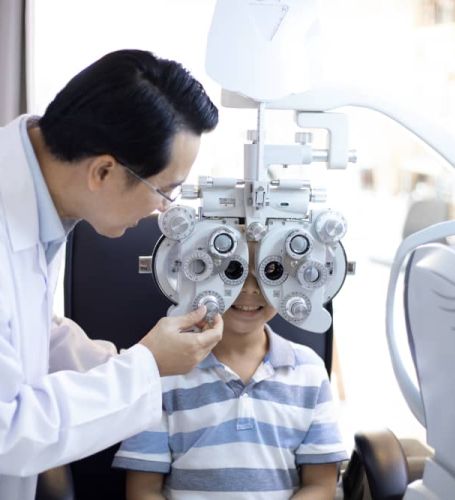
What Parents Can Expect
Testing
Age‑appropriate visual acuity and prescription testing
Checks
Eye teaming and focusing checks (to screen for problems that affect reading)
Imaging
Retinal photos or other imaging when indicated
Screening
Eye health screening and a simple, parent‑friendly explanation of results
Next Steps
Glasses, protective sports eyewear, or referral if needed
Visit tips: Bring your child’s current glasses (if any) and note any concerns from school or sports. Most appointments take 30–40 minutes.
Book a Pediatric Exam
Pick a time that works for your family with later in the afternoon appointments available.
Myopia and Sports Protection
We’ll discuss outdoor time, screen habits, and options to help protect growing eyes. Ask about sports and ski eyewear with impact‑resistant lenses sized for kids.
Frequently Asked Questions About Pediatric Eye Exams
At what age should my child have their first eye exam?
We recommend children have their first comprehensive eye exam with an in-person Optometrist around age 3, or earlier if you notice concerns like eye crossing, squinting, or sitting very close to screens. Many vision problems develop in early childhood when the visual system is still maturing, and early detection makes treatment much more effective. Even if your child passed a school vision screening, a full exam is important—screenings often miss issues like focusing problems, eye teaming difficulties, or early prescription needs that can impact learning. For kids in the Mount Washington Valley, we make exams gentle and fun, using age-appropriate techniques that work even with shy or wiggly little ones.
My child's school did a vision screening and they passed. Do they still need an exam?
Yes, comprehensive eye exams check much more than just distance vision on a wall chart. School screenings typically only test how clearly your child can see far away, but they miss common problems like farsightedness, focusing issues, poor eye teaming, and tracking difficulties—all of which can make reading exhausting and learning harder. A child might have 20/20 distance vision but struggle to keep words clear while reading or lose their place constantly. We also check eye health, alignment, depth perception, and color vision. If your child complains of headaches, avoids reading, or has trouble concentrating on schoolwork, a full exam is essential even after passing a screening.
What signs suggest my child might need glasses or have a vision problem?
Watch for squinting, sitting very close to screens or books, covering one eye, frequent eye rubbing, headaches (especially after reading), losing their place while reading, avoiding homework or detailed activities, tilting their head to see better, or complaints that words are blurry or move around. Some children don't realize their vision isn't normal, so behavioral clues matter too—short attention span during visual tasks, poor hand-eye coordination, or falling behind in school despite being bright. Teachers sometimes notice kids struggling to copy from the board or avoiding reading aloud. Even if your child isn't complaining, an annual exam ensures problems don't go undetected during these critical developmental years.
Can you fit children for sports or ski goggles with their prescription?
Absolutely! Living in the Mount Washington Valley means lots of outdoor activities, and protecting your child's eyes during sports is crucial. We offer impact-resistant polycarbonate lenses in frames designed for active kids—whether they need protection for soccer, basketball, skiing, or snowboarding. Polycarbonate is much more shatter-resistant than regular lenses and provides built-in UV protection. We'll help you find the right fit that stays secure during play and won't fog up easily. If your child plays contact sports or spends time on the slopes, prescription sports eyewear or properly fitted goggles can prevent serious eye injuries while keeping their vision sharp.
What is myopia control and should I be concerned about my child's nearsightedness?
Myopia (nearsightedness) is increasingly common in children, and it tends to worsen as kids grow—especially with heavy screen time and limited outdoor play. Higher levels of myopia in adulthood increase the risk of serious eye conditions like retinal detachment, glaucoma, and macular degeneration. Myopia control strategies aim to slow progression during childhood when eyes are still developing. We'll discuss evidence-based approaches including encouraging at least 90 minutes of outdoor time daily, managing screen habits, and potentially specialty contact lenses or low-dose atropine drops if progression is rapid. The earlier we start managing myopia, the better we can protect your child's long-term eye health. If you've noticed your child's prescription getting stronger each year, let's talk about options to slow it down.
Parent Testimonials
"I brought my 9 year old daughter for her first eye exam yesterday at Mount Washington Valley Vision and I was very happy with the experience. Our tech, Caroline, was very very nice and made sure my daughter was completely comfortable with everything that was being done. She was extremely patient and knowledgeable, she even took the time to show her how cool her eye looked up close. I would definitely recommend!"
— Katrina C
"My whole family had their eyes exam done and all of us enjoyed our visits. The staff are friendly and knowledgeable. The whole process was amazing."
— Pattie R
"Me and my family have been coming here since it opened. Love the service and no pressure to buy expensive frames."
— Mary O